


Since 1981, more than 700,000 Americans have lost their lives to HIV.1 Worldwide, the impact has been far greater, with about 770,000 AIDS-related deaths in 2018 alone.2 Ending the HIV epidemic has long been a goal for public health professionals around the world, and today that end may be within reach through innovations in both prevention and treatment.
The U.S. Department of Health and Human Services (HHS) recently created an initiative to eliminate the HIV epidemic in the United States. Ending the HIV Epidemic: A Plan for America will coordinate the programs and resources of several government agencies to harness innovations related to HIV diagnosis, treatment, and prevention. The plan’s overarching goal is to reduce new HIV infections by 90% by 2030.1
While only two patients have been cured of HIV to date,3 many believe we have the tools and the data to defeat the virus within a generation.
Successful Treatments
Thanks to many advances over the past several decades, HIV is now a manageable disease rather than a death sentence as long as patients have access to ongoing treatment. Following diagnosis, a patient typically receives several antiretroviral drugs that isolate the virus and/or prevent it from replicating. This reduces the patient’s viral load, or number of copies of the virus in the body, and minimizes the disease’s impact. As a result, HIV patients undergoing treatment are able to live normal lives with minimal risk of transmitting the virus to others.
While antiretroviral therapy outcomes are good, the virus still remains dormant in the patient’s T-cells rather than being eliminated from the body. New research is looking at ways to activate cells where the dormant virus lies and flush them out or to use genetic tools to cut HIV out of cells as paths to a final cure.
Insightful Data
Data collection around HIV diagnoses in the U.S. is rich and insightful, allowing public health programs to target specific areas, demographics, and cultural or ethnic groups with health education and prevention efforts. HIV mapping allows public health professionals to see exactly which counties—and even which neighborhoods—are seeing outbreaks of the disease. Such specific information is essential to properly allocating resources, isolating outbreaks, and designing effective health education programs for disease prevention.
Effective Prevention
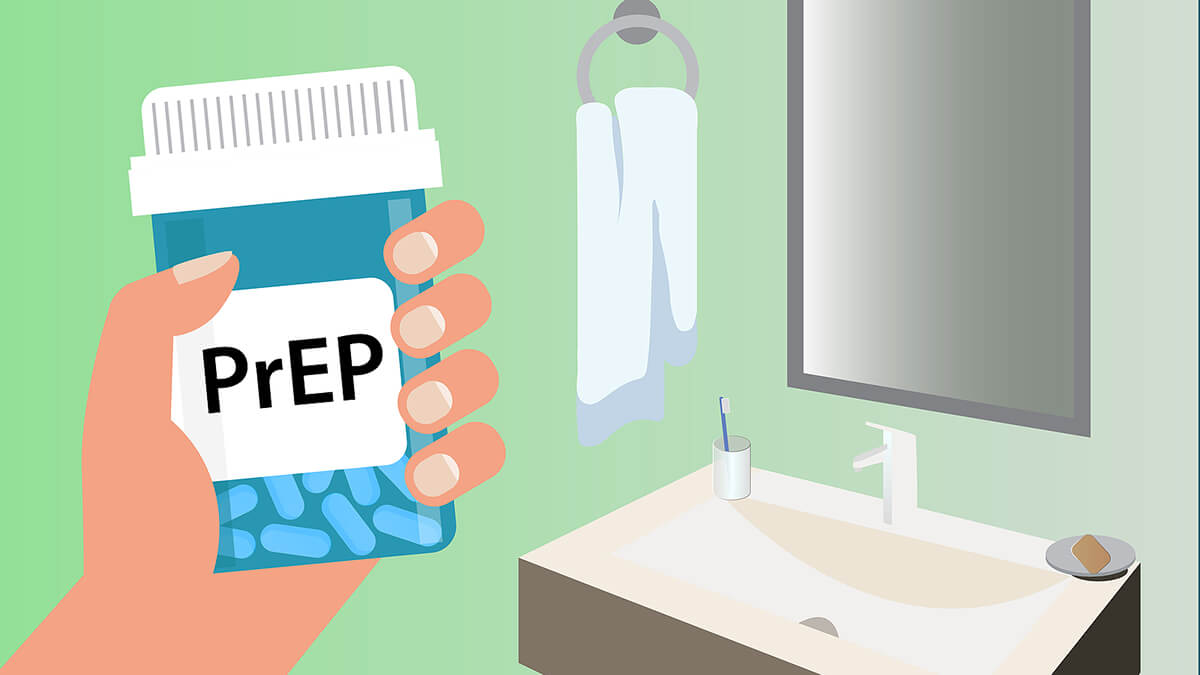
While detailed data allows public health workers to focus on populations most at risk of contracting HIV, other innovations are further helping prevention efforts. Pre-exposure prophylaxis (PrEP) is a medication designed to prevent the spread of HIV. When taken every day, it drastically reduces the user’s chances of contracting the virus. Another prevention method, syringe service programs (SSPs), provides at-risk populations with sterile syringes as well as access to substance use disorder treatment.
The battle against HIV is not over, and it’s an exciting time for community health workers to get involved. If you’re interested in public health issues such as HIV treatment and prevention, consider pursuing an MS in Health Education and Promotion or a Master of Public Health (MPH). Earning an advanced degree in this field will prepare you for an impactful public health career—from designing education programs to working directly with at-risk populations.
Walden University is an accredited institution that offers both MS in Health Education and Promotion and Master of Public Health (MPH) degree programs online. Expand your career options and earn your degree using a convenient, flexible learning platform that fits your busy life.
1Source: www.hiv.gov/federal-response/ending-the-hiv-epidemic/overview
2Source: www.unaids.org/en/resources/fact-sheet
3Source: www.nytimes.com/2019/03/04/health/aids-cure-london-patient.html
Walden University is accredited by The Higher Learning Commission, www.hlcommission.org.