


Millions of schools sit in areas threatened by natural disaster. From earthquakes to forest fires to hurricanes to tornadoes, these disasters can shut down schools and/or make it impossible for students to attend class for weeks or even months. On top of that, some schools have even had to temporarily close their doors after an episode of violence. Unfortunately, there’s often little you can do as a teacher to prevent such disruptions—but there’s plenty you can do to support effective behavioral interventions and help students get back on track once they return to the classroom.
In a recent, educational resource piece published by the U.S. Office of Special Education Programs’s Technical Assistance Center on Positive Behavioral Intervention & Supports, education experts provided a series of teaching strategies designed to re-engage students who’ve experienced an event that disrupted their schooling. Titled Getting Back to School after Disruptions: Resources for Making Your School Year Safer, More Predictable, and More Positive, this resource suggests the following actions:1
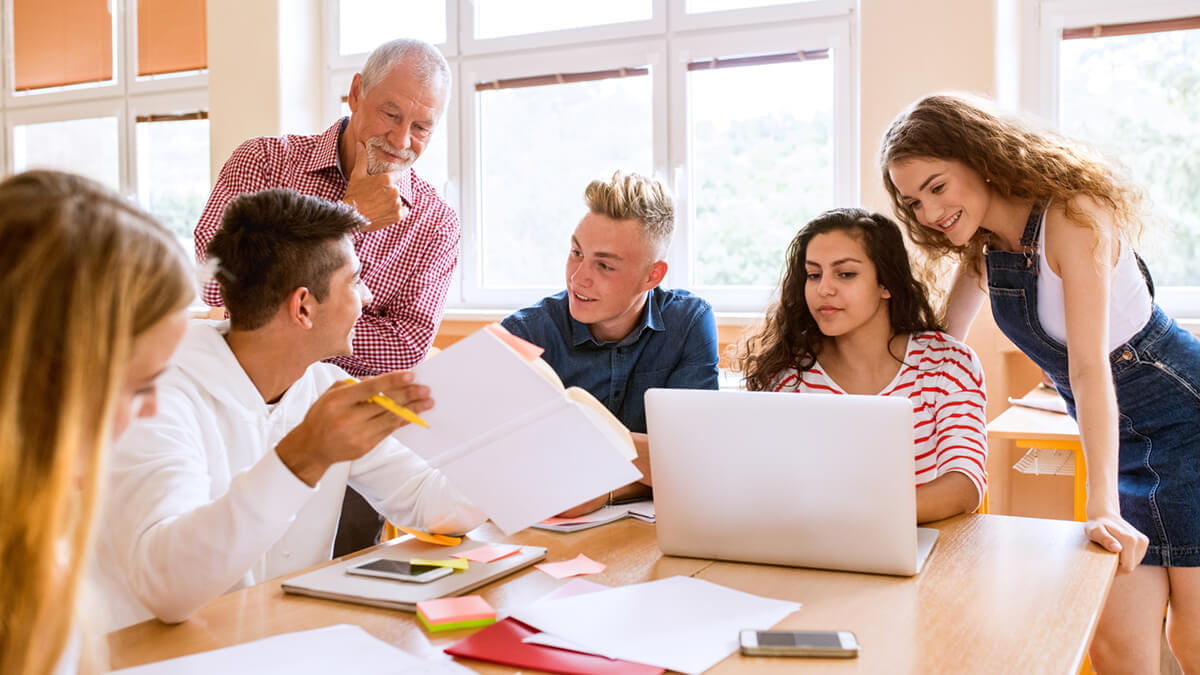
Re-Teach, Remind, and Acknowledge Positive School-Wide Expectations
Even if students were taught the school-wide expectations before the disruption, you should re-emphasize such expectations following an unplanned absence. According to Getting Back to School after Disruptions, “a strong focus on re-teaching and modeling expected school behaviors will help to re-establish and maintain a school culture where students can expect to see prosocial behavior from their peers and the adults in the building.”
Re-Teach Classroom Routines
As with expectations, routines should be reinforced after a disruption. By re-establishing a supportive environment and re-emphasizing positive and proactive classroom behavior, you can help students regain the sense of safety and calm they may not have had during the disruption.
Focus on the Positive and Avoid Punitive Approaches
In situations where students have experienced trauma or other serious disruption, public punishment of unwanted behavior can do more harm than good. Instead, Getting Back to School after Disruptions recommends you should “focus on teaching, practicing, and acknowledging expected behaviors, with the understanding that some students may need more teaching, practice, and acknowledgement to use them.”
Get to Know Your Students—Again
By making the effort to relate to your students as individuals, you can help students feel more at ease being back in the classroom, which can help build student engagement. This strategy can be particularly helpful for students who may have experienced loss.
Look for Signs That Students Might Need More Help
Some students may have a harder time re-acclimating to school than others. Be on the lookout for students showing signs of trauma and make sure they get the short- and/or long-term support they need to succeed in school.
Re-Engage Families as Partners in Their Children’s Education
Schools can play an important role in supporting and unifying a community. After a disruption, it’s important to reach out to parents and ensure they can be supportive of their child’s education.
How Can You Learn More About Teaching Strategies?
Getting Back to School after Disruptions is just one of the many pieces you will study in Walden University’s MS in Education (MSEd) program. Designed for teachers looking to advance their skills and put themselves in a better position to receive promotions and earn a higher teacher’s salary, Walden’s MS in Education program can help you in the classroom and in your career.
If you’re concerned you don’t have time for an MSEd degree program, Walden provides a solution: online learning. When you earn your master’s in education online, you can better fit schooling into your busy life. And, with an online master’s in education program, you can complete coursework from home and on a flexible schedule that allows you to choose when in the day you attend class. It’s this level of convenience that makes online education such an excellent option for working adults.
Helping students readjust after an unexpected disruption is just one of the many challenges you may face as a teacher. With a master’s degree in education, you can become a teacher capable of handling whatever challenges the classroom brings.
Walden University is an accredited institution offering an MS in Education degree program online. Expand your career options and earn your degree in a convenient, flexible format that fits your busy life.
Walden University is accredited by The Higher Learning Commission, www.hlcommission.org.
1Source: https://www.pbis.org/Common/Cms/files/pbisresources/Back%20to%20School%20after%20Disruptions.pdf