


Factors such as ethnic heritage, religion, and values have a tremendous impact on counseling. Cultural customs shape how people interact with each other in families, friendships, and professional relationships. Licensed clinical mental health counselors must make an ongoing effort to broaden their understanding of other cultures and traditions—to better understand both their clients and themselves.
Expanding Multicultural Competency
Many master’s programs in clinical mental health counseling take time to focus on multiculturalism and how it applies to the counseling relationship. Courses on multicultural counseling explore the effects of power, privilege, and marginalization and how they can affect the relationship between counselor and client. Students take a closer look at their own cultural background, biases, values, and assumptions, and have the opportunity to reflect on how those factors could impact their ability to approach clients from a variety of ethnic and social backgrounds.
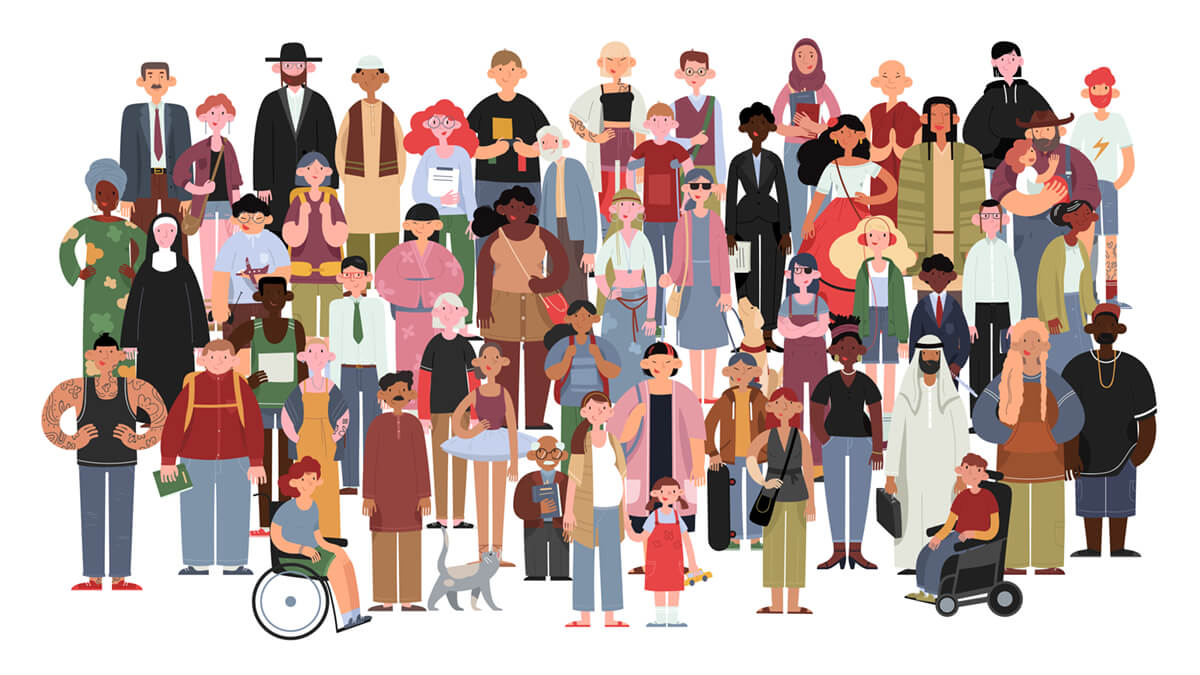
For example, Western mental health professionals tend to use a reflective approach, asking clients open-ended questions that allow them to delve deeper into their thought processes. But for clients from other cultures, those kinds of questions could seem evasive or unhelpful. It’s important to adapt the approach to each client, striving to understand their cultural background and its relevance to the conversation.
Impacts of Cultural Background on Mental Health
A person’s cultural background plays a major role in the counseling situation. In some cultures or family environments, people may not feel free to seek help until they are desperate. Depression and anxiety are viewed differently in various cultures. While the Western approach often includes therapy and prescription medications, other cultures stress the importance of family and religious counsel. Mental health professionals must seek to appreciate different perspectives with the understanding that each culture has valuable insights to consider.
How Therapy Can Help
The applications of therapy in dealing with multicultural issues are many. With millions of refugees fleeing their home countries, there’s a tremendous need for mental health professionals versed in providing counseling to multicultural clients. Immigrants face challenges around adjusting to their new homes, finding meaningful work, being separated from families and friends, and in some cases, dealing with trauma they experienced before leaving their home country. Mental health professionals can help by approaching clients from other cultures with empathy, a willingness to listen, and a commitment to communicate in culturally sensitive ways.
Are you interested learning more about the role of multiculturalism in counseling? If so, you may want to consider earning an MS in Clinical Mental Health Counseling from Walden University. Walden’s online learning platform makes it easier for professionals to earn their degree as they continue to work and manage other obligations. Coursework can be completed from home or wherever you have internet access. Plus, Walden’s online master’s program allows you to attend class at whatever time of day works best for you.
An accredited institution, Walden University allows you to earn your MS in Clinical Mental Health Counseling online without interrupting your professional career.
Walden University is accredited by The Higher Learning Commission, www.hlcommission.org.
Walden University’s MS in Clinical Mental Health Counseling program is accredited by the Council for Accreditation of Counseling and Related Educational Programs (CACREP), a specialized accrediting body recognized by the Council for Higher Education Accreditation (CHEA), which is a requirement for licensure in many states. The MS in Clinical Mental Health Counseling program is designed to prepare graduates to qualify to sit for licensing exams and to meet the academic licensure requirements of many state counseling boards. Because no graduate program can guarantee licensure upon graduation, we encourage students to consult the appropriate agency to determine specific requirements. For more information about licensure, students should visit the National Board for Certified Counselors at www.nbcc.org/stateboardmap, the American Association of State Counseling Boards at www.aascb.org, and contact the appropriate licensing body. International students are encouraged to identify and contact their appropriate licensing body. Learn more about professional licensure.