


Melissa Mccart
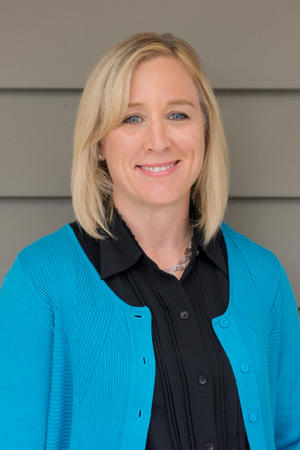
Melissa McCart, Ed.D, is a national and international speaker and author on the topic of brain injury and return to school following injury. She earned her doctorate in Educational Methodology, Policy and Leadership, her M.S. in behavioral disorders and applied behavior analysis, and her administrator’s licenses from the University of Oregon’s College of Education. She has worked extensively with at-risk children and families as a behavior specialist, behavior consultant and special education teacher. At Walden University, Melissa serves as a chair and subject matter expert on dissertation committees and teaches doctoral level courses in the Richard W. Riley College of Education. In addition to her work at Walden, Melissa is currently the director of the Oregon TBI Teams and works in the field of TBI research at the Center on Brain Injury Research and Training (CBIRT) at the University of Oregon. Prior to joining the CBIRT team, Melissa spent 7 years as a school administrator, 2 years as a behavioral consultant, and 8 years as a special education teacher to students with emotional/behavioral disorders. Melissa currently is a member of the National Collaborative on Childhood Brain Injury and serves on the Return to Learn, Policy, Common Data Elements and Community of Practice Committees.
Education
EdD, University of Oregon
MS, University of Oregon
BS, National University
Public Service
National Committee on Childhood Brain Injury, Member - Eugene
Oregon Department of Human Services Expert Workgroup on Brain Injury, Participant - Salem
Lane County Concussion Consortium, Participant - Eugene
Awards / Honors
Christine Anne Gillesse Award for Recognition of Outstanding Commitment to Children with Special Needs, University of Oregon, 2002
Publications
Mccart, M., Glang, A. E., Slocumb, J., Gau, J., Beck, L., Gomez, D. (2019). A quasi-experimental study examining the effects of online traumatic brain injury professional development on educator knowledge, application, and efficacy in a practitioner setting. Disability and Rehabilitation
Mccart, M., Glang, A., Slocumb, J., Gau, J., Davies, S., Gomez, D., Beck, L. (2019). Preliminary efficacy of online TBI professional development for educators: An exploratory randomized control trail. Journal of Head Trauma Rehabilitation
Mccart, M., Glang, A., Moore, C., Davies, S. (2017). School psychologists' knowledge and self efficacy in working with students with TBI. Exceptionality Education International
Glang, A., Todis, B., Mccart, M. (2018). Evolution of Parent-Educator Relationships Following TBI: A Longitudinal Qualitative Study. Archives of Physical Medicine and Rehabilitation
Todis, B., Mccart, M., Glang, A., DePompei, R., Glang, A. (2018). Hospital to school transition following traumatic brain injury: A qualitative longitudinal study. NeuroRehabilitation
Mccart, M., Rode, C., Glang, A. (2018). School based interventions .
Presentations
Mccart, M. (2019). Solution Based Approaches to Training Professionals Working with Children and Supporting Successful Return to School After TBI. International Brain Injury Association
Mccart, M. (2018). Scaling Up: Online Training for Educators on TBI. Federal Interagency on Pediatric Brain Injury
Mccart, M. (2019). State of Schools: Strengths and Weaknesses. International Pediatric Brain Injury Society
Mccart, M. (2017). Concussion in the Classroom: Supporting Students with TBI. National Association of State Head Injury Administrators
Mccart, M. (2015). Return to Learn for Students with TBI . Seattle Children’s Hospital
Mccart, M. (2015). Hospital to School Transitions for Brain Injury. . National Association of State Head Injury Administrators
Mccart, M. (2014). In the Classroom: Supporting Students with Concussion. Ohio Center for Autism and Low Incidence
Mccart, M. (2013). Dealing with Grief and TBI. Youth in Transition Oregon
Mccart, M. (2012). TBI Services and Processes. State of Nebraska Department of Education
Mccart, M. (2012). Creating Bridges: Staff Working Together to Meet the Needs of All Students in the Regular Education Setting. Council for Exceptional Children