
View our EdD Early Childhood specialization completion requirements
Minimum degree requirements:
60 quarter credits
- Core courses (50 cr.)
- Capstone (10 cr.)
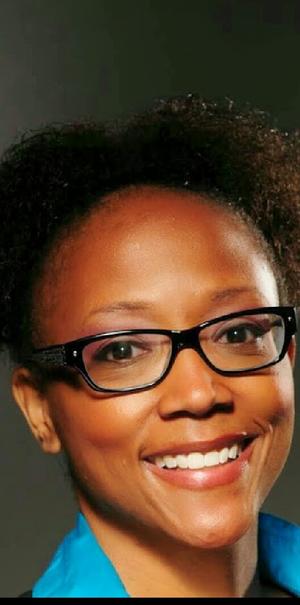
Dr. KaRae' N. Powers-Carey: Bridging Mental Health Care, Education, and Community Advocacy
At the forefront of integrated mental health care, Dr. KaRae' N. Powers-Carey stands out as a distinguished leader who uniquely combines expertise in nursing, clinical mental health counseling, and higher education teaching. Engaging in clinical practice since 2000, she has established herself as a transformative force in both mental health care and service delivery, as well as the preparation of future mental health professionals.
Dr. Powers-Carey earned a PhD in Counselor Education and Supervision from Oakland University, an MSN in Executive Nursing from Walden University, and a BSN from the University of North Carolina at Chapel Hill. She is dually licensed as a Registered Nurse and a Licensed Clinical Mental Health Counselor Supervisor, with additional certifications as a National Certified Counselor, a Board-Certified Tele-Mental Health Professional, and a Licensed Clinical Addictions Specialist.
As a counselor educator, Dr. Powers-Carey shapes the next generation of clinicians through rigorous, graduate-level instruction. Her role as a clinical supervisor also provides essential mentorship to counseling students and new graduates. Her comprehensive personal approach integrates competent clinical practice, academic excellence, and supervisory expertise, ensuring that emerging professionals receive the highest quality training and support for their continued professional development and success.
Dr. Powers-Carey's clinical excellence is grounded in her specialized work across various mental health settings, including hospitals, educational institutions, outpatient clinics, community agencies, and home care settings. As a registered nurse, she brings a deep understanding of the medical and biological factors that contribute to mental health. As a licensed clinical mental health counselor, she provides evidence-based, client-centered interventions that focus on behavioral and emotional change. As a counselor educator, she translates complex clinical mental health concepts into accessible, high-impact learning experiences that prepare emerging clinicians for real-world practice. Together, these three domains equip her with a comprehensive, cross-functional perspective that elevates her effectiveness as a professor, strengthens her clinical decision-making, and enhances her ability to deliver integrated, holistic care.
As an educator, Dr. Powers-Carey is honored to shape the next generation of mental health professionals through her faculty position. She specializes in teaching advanced graduate-level courses that prepare students for the complexities of clinical practice and professional responsibility. Her commitment to academic excellence extends beyond the classroom through her active involvement in accreditation processes, professional conference presentations, and her contributions to professional literature. She has authored a comprehensive book designed to support upcoming graduates in achieving success on licensing examinations, demonstrating her dedication to ensuring students are thoroughly prepared for their professional careers. Through her teaching, training, and scholarly work, Dr. Powers-Carey remains committed to providing the highest quality preparation for future mental health clinicians.
Dr. Powers-Carey's teaching and clinical approach are grounded in equity-centered, culturally sustaining practices that re-examine existing power structures and uplift historically marginalized voices. A passionate advocate for health equity and underserved populations, Dr. Powers-Carey's research and clinical practice span the entire lifespan, addressing the unique mental health needs of individuals, couples, and families across all developmental stages. Her commitment to serving marginalized populations is reflected throughout her clinical work, research agenda, and educational philosophy, ensuring that those who have been historically underserved receive compassionate, culturally responsive care that honors their lived experiences holistically, promoting healing and empowerment.
Dr. Powers-Carey's leadership extends beyond clinical and academic settings into meaningful community engagement. During times of crisis, she has demonstrated her commitment to serving those on the frontlines, developing initiatives that provide both emotional support and practical resources to essential workers and first responders. Her volunteer work with disaster response teams reflects her dedication to crisis intervention at both individual and community levels, ensuring that those affected by traumatic events receive comprehensive care when they need it most.
Through her leadership roles in professional counseling organizations, Dr. Powers-Carey has influenced mental health policy and practice throughout the region. Her professional board service and leadership of the organizational mental health committee have shaped the direction of the profession, advocating for standards that prioritize client welfare and professional excellence.
Her diverse clinical expertise spans multiple domains of mental health care, integrating her background in healthcare with specialized training in counseling and therapeutic interventions. She brings a comprehensive understanding of crisis response, behavioral health treatment, developmental considerations across the lifespan, and the unique needs of diverse populations. Her approach to clinical practice, education, and supervision is informed by a commitment to health equity and addressing systemic disparities, ensuring that all individuals and communities have access to culturally responsive, high-quality mental health care. This multifaceted expertise allows her to address the complex, intersecting needs of clients and communities while advocating for systemic change that promotes wellness and justice.
Through her innovative integrated approach to mental health care, Dr. Powers-Carey continues to advance the field by mentoring future clinicians, contributing to scholarly research, and advocating for accessible, compassionate mental health services for all communities.
PhD, Oakland University
MS, Madonna University
BS, Madonna University
AS, Henry Ford Community College
AA, Henry Ford Community College
MSN, Walden University
North Carolina Licensed Professional Counselor Association, Chair -
2010 Outstanding Humanistic Dissertation Award, Association For Humanistic Counseling, 2010
Chi Sigma Iota, Counseling Academic and Professional Honor Society International, 2005
Kappa Gamma Pi, Madonna University, 2000
King-Chavez-Parks Future Faculty Fellowship, Oakland University, 2004
Robert Brown Memorial Fund Scholarship, Oakland Unviersity, 2005
Powers-Carey, K. (2016). Teaching Counseling Techniques Using Technology.
Blume, T., Powers-Carey, K., Roan, B. (2005). Using Good Will Hunting to teach counseling theory integration. Association for Counselor Educator Supervisors Biannual conference
Carey, K. N., Kargharia, B. (2011). The Integration of Technology in Substance Abuse Treatment.
Carey, K. N. (2009). The Experience of the African American Stepmother.
Crable, A. R., Powers-Carey, K. (2015). Through the Fire: Counselor Educator Burnout. ACES